Most people have never thought about training their face. That changes quickly with face yoga — and so does the face itself. I’ve been teaching this practice for over 22 years, and the Face Yogis who see the best results aren’t the ones who start perfectly. They’re the ones who start simply and stay consistent.
What Is Face Yoga?
Face yoga is a practice of targeted exercises that strengthen and tone the 57 muscles of the face and neck. When these muscles are trained regularly, they grow in volume and improve in tone — lifting and defining the face from beneath the skin rather than working on the surface.
It takes about 10 minutes a day. No equipment, no products, no procedures. Just your hands and your face.
What face yoga won’t do is produce overnight results. It’s a practice — and like any practice, the results accumulate over time.
Why Is It Called Face Yoga?
This is one of the most common questions I get — and it’s a fair one.
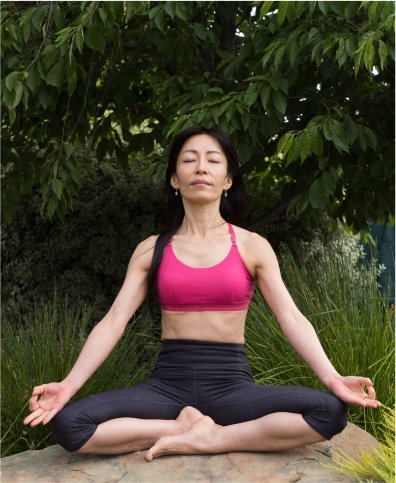
The name comes from the philosophy, not the form. Yoga, at its core, is about intentional practice — bringing breath, awareness, and deliberate movement together to work on the body from the inside out. That’s exactly what face yoga does. Every exercise is performed with conscious breath, deliberate muscle engagement, and focused attention. You’re not just moving your face — you’re learning to use it with intention.
There’s also the pro-aging dimension. Yoga teaches that the body is something to work with, not against — that strength and vitality come from consistent practice rather than intervention. Face yoga applies that same principle to the face. Rather than treating the face as something that needs to be fixed or frozen, we treat it as something to train and strengthen.
The “yoga” in face yoga is a genuine reflection of how the practice works — and the mindset it asks you to bring to it.
What the Practice Actually Involves
Face yoga draws on several techniques used together — targeted muscle exercises, massage, acupressure, and breathwork. Each plays a different role.
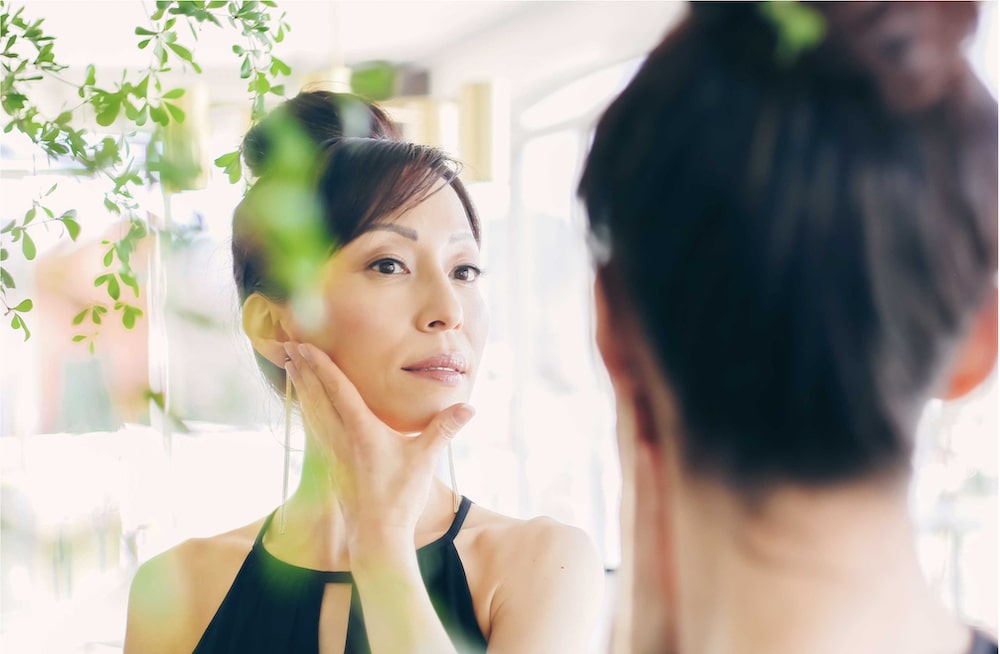
The exercises build muscle tone and volume over time. The massage and acupressure work support circulation, release chronic tension in the jaw and neck, and help the face look more relaxed and defined. The breathwork keeps the nervous system calm and ensures you’re engaging the right muscles rather than holding tension elsewhere.
In practice, these elements flow together naturally within a session. A typical 10-minute practice moves from a brief warm-up through targeted work for specific areas of the face and neck — and the combination of techniques is what makes it more effective than any one approach on its own.
What Face Yoga Addresses
Face yoga works across the full face and neck. As a beginner, it helps to understand which muscles correspond to which areas — because the practice is muscle-specific, not area-general.
The frontalis governs the forehead. The orbicularis oculi surrounds the eye and is responsible for the outer eye area and upper eyelid. The zygomaticus major runs from the cheekbone to the corner of the mouth and determines mid-face definition. The platysma runs from the chest through the neck to the lower face — when it weakens, the lower face descends. The masseter is the jaw muscle, and chronic tension here contributes to a heavy, undefined jawline.
A complete beginner practice covers all of these — typically in a 10-minute daily sequence that moves from warm-up through targeted work.
What to Know Before You Begin
A few things that make a real difference when you’re just starting out.
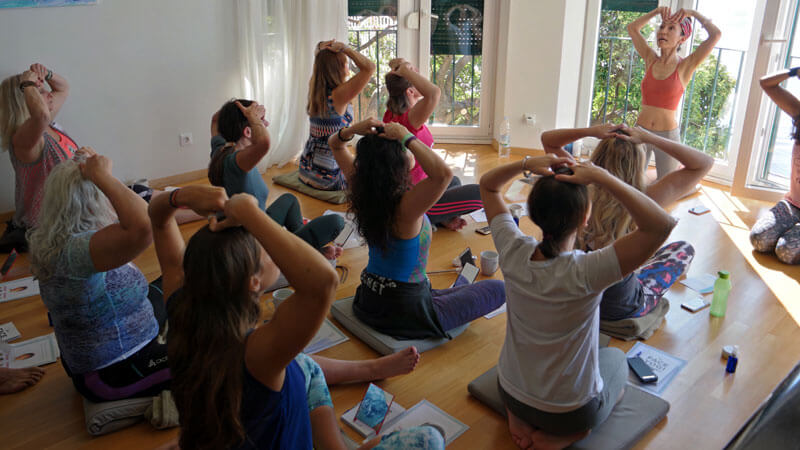
Posture matters. Every face yoga exercise begins sitting tall with a relaxed neck and shoulders, breathing deeply through your nose. Tension in the neck and shoulders travels directly into the face and reduces how effectively you can engage the facial muscles. Take a moment to settle before every session.
Slow and deliberate beats fast. Beginners often rush through exercises. Slower, more controlled movements activate the target muscles more effectively than quick repetitions. If you can feel the muscle working, you’re doing it right.
Consistency beats intensity. Ten minutes every day produces better results than an hour once a week. The muscles need regular stimulus to respond. Build the habit first — results follow from there.
One side of your face may feel different from the other. This is completely normal. Most people have some degree of facial asymmetry, and you may notice one side engaging more easily than the other. That’s useful information, not a problem.
What to Expect in Your First Few Weeks
Week 1: The exercises will feel unfamiliar. Some will feel awkward — that’s normal. You’re activating muscles you’ve likely never consciously used. Focus on correct hand placement and slow movement rather than perfection.
Weeks 2–3: The exercises start to feel more natural. Many Face Yogis notice improved circulation — a subtle warmth and brightness in the skin after practice. Some notice early definition changes, particularly in the cheeks and eye area.
Weeks 4–6: This is where consistent practitioners start to see real structural changes. A more lifted mid-face, cleaner eye area, reduced tension in the forehead and jaw.
The results deepen the longer you practice. Face Yogis who stay with it for three months and beyond consistently report the most significant changes — and the ones who stop usually notice within a few weeks that things start to shift back. That tells you the muscles are genuinely responding.
Common Beginner Mistakes to Avoid
Using too much force. More pressure doesn’t mean more results. Face yoga exercises use controlled resistance — the resistance comes from correct hand positioning, not from straining.
Wrinkling the forehead. Watch for this especially in eye and cheek exercises. If your forehead is engaging when it shouldn’t be, place one hand lightly on it as a reminder to keep it still.
Skipping days and trying to compensate. There’s no way to double up on face yoga. If you miss a day, just resume the next day. Consistency over time is what drives results — not any single session.
Giving up before week three. The first two weeks are the hardest. The exercises feel strange, results aren’t visible yet, and the habit isn’t formed. Push through to week three — that’s where most beginners find their rhythm.
The best time to start is now — before you feel like you need to. Download the free 5-pose guide and begin your face yoga practice today.
2 thoughts on “Face Yoga for Beginners: How to Start Your Practice the Right Way”
Rosana Regina Vaz
Eu amo face yoga gostaria muito de me especializar para poder ensinar as pessoas, mas infelizmente com o que eu ganho não consigo fazer o curso que realmente é o meu sonho. Gratidão Fumiko







Eu amo face yoga gostaria muito de me especializar para poder ensinar as pessoas, mas infelizmente com o que eu ganho não consigo fazer o curso que realmente é o meu sonho. Gratidão Fumiko
Thank you for being part of our community Rosana! We’ll be waiting for you to join us when the time is right for you ❤️