


Have you noticed your cheekbones becoming less defined — the mid-face looking flatter, the area under your eyes losing its support? It’s one of the subtler changes, but once you see it, you can’t unsee it.
What most people don’t realise is that cheekbone definition isn’t just about bone structure. It’s about the muscles sitting on top of those bones — and whether they’re doing their job.
Why Cheekbone Definition Fades
The mid-face is supported by the zygomaticus major — the large cheek muscle that lifts the corners of the mouth and creates the fullness above the cheekbone. Alongside it, a network of smaller muscles maintains the height and projection of the cheek area. When these muscles weaken and descend, the cheeks flatten, the area under the eyes loses its padding, and the nasolabial folds deepen — because the structure that was holding everything up has shifted downward.
This is a muscle story, not a bone story. The cheekbones themselves haven’t changed. What’s changed is the soft tissue and muscle sitting on top of them — and that responds to targeted training.
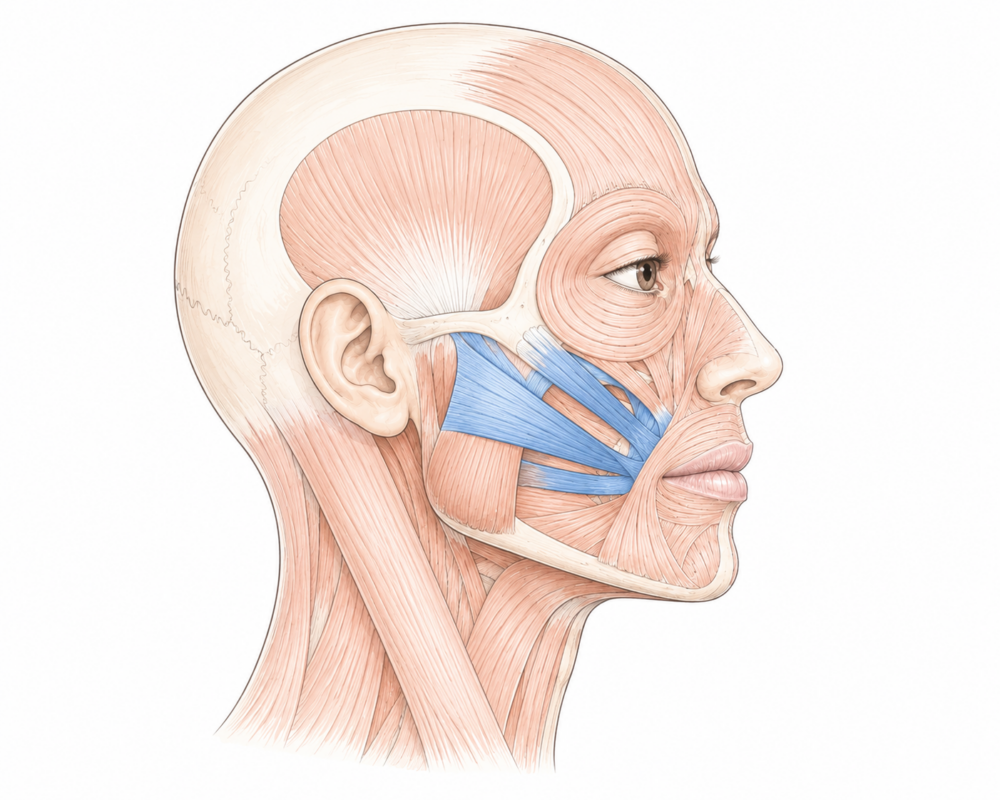
There’s also a tension component. Many people hold chronic tension in the jaw and the sides of the face — from stress, from clenching, from habitual expressions. That tension compresses the cheek muscles and prevents them from fully activating. Releasing it is the first step before any strengthening work can take full effect.
Marcella noticed visible change within three weeks of daily practice:
“My family already seeing the results. My cheeks more up and my skin looks better. It totally works and it’s been only 3 weeks! Consistency is the key!” ~ Marcella
3 Facial Exercises for Cheekbones
Sit tall with a relaxed neck and shoulders before you begin, and breathe deeply through your nose. The cheek muscles are deeply connected to jaw tension — releasing the jaw before you start means the exercises work directly on the target muscles rather than fighting held tension.
Want to follow along with Fumiko? Watch the full cheekbone workout here:
Exercise 1: Cheek Lifter
This is the most direct exercise for the zygomaticus major and the muscles of the mid-face. It trains the cheeks to lift and hold — building the muscle memory that keeps the mid-face elevated at rest.
- Open your eyes wide without wrinkling your forehead.
- Curl your lower lip around your lower teeth and press your upper lip firmly against your upper teeth while still showing them.
- Pull both corners of your mouth toward your molar teeth, keeping both corners at the same level.
- Move your chin slightly forward.
- Place both palms on your cheeks and move them up at a 45-degree angle. Hold for 10 seconds.
- Come out from the pose and relax.
Keep the forehead completely relaxed throughout — if you feel tension creeping upward, pause and reset. All the engagement should be in the cheeks and mid-face.
Exercise 2: 3-in-1 Super Cheek
This exercise works the full cheek area simultaneously — lifting, toning, and defining in one movement. It’s one of the most comprehensive poses for mid-face definition in the entire FYM practice.
- Move your chin slightly forward and place your lower lip over your upper lip.
- Open your eyes wide without wrinkling your forehead. Smile and lift up the corners of your mouth.
- Place your thumbs under your chin and index and middle fingers on the peak of your cheeks.
- With your fingers, gently lift your cheeks at a 45-degree angle. Hold for 10 seconds.
- Come out from the pose and relax.
The hand position here is important — fingers on the peak of the cheeks, not the sides. You’re targeting the highest point of the cheekbone for maximum lift.
Exercise 3: Cheek and Face Line Lifter
This exercise lifts both the cheeks and the lower face simultaneously — addressing the full mid-face structure and preventing the downward migration that softens cheekbone definition over time.
- Place both palms on the sides of your face with your thumbs underneath your ears.
- Move your hands up at a 45-degree angle and open your eyes wide without wrinkling your forehead.
- Curl your lower lip over your teeth and pull the corners of your mouth toward your molars.
- Hold for 10 seconds.
- Come out from the pose and relax.
Ten minutes of these three exercises daily is enough. The cheek muscles respond well to consistent daily work — and the mid-face, when trained correctly, is one of the most visually rewarding areas to work on.
The Tension That Holds the Cheeks Down
Something I see consistently — particularly in people who carry stress in their jaw — is how much the cheek muscles are being held down rather than allowed to lift. The masseter and the muscles of the lower face create a downward pull when they’re chronically tense, and no amount of cheek lifting exercises will fully overcome that.
Before each session, take a moment to consciously drop your jaw. Let your back teeth unclench. Soften the area from your ears to the corners of your mouth. Starting from that released position changes how effectively every exercise works.
Here’s a deeper look at how face yoga works and what drives results.
What to Expect and When
The cheek area takes slightly longer to show visible change than the neck or jawline — the muscles are smaller and the changes more subtle at first. Most Face Yogis notice their cheeks feeling more active and engaged within the first week or two. Visible lift — the cheeks sitting higher at rest — typically becomes clear between weeks three and six of daily practice.
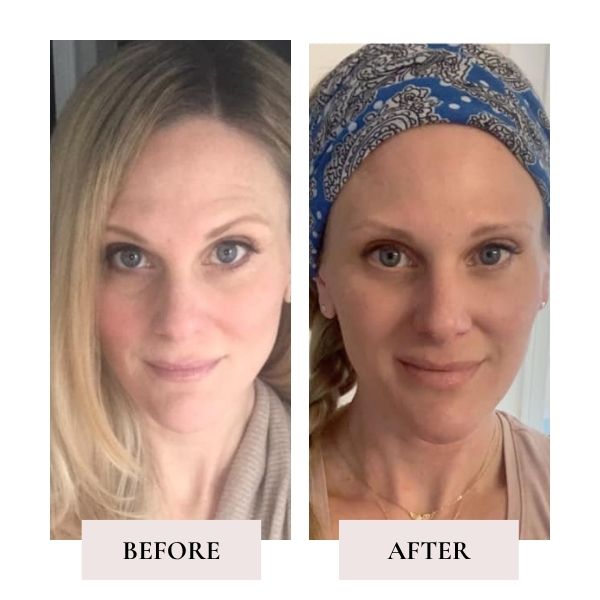
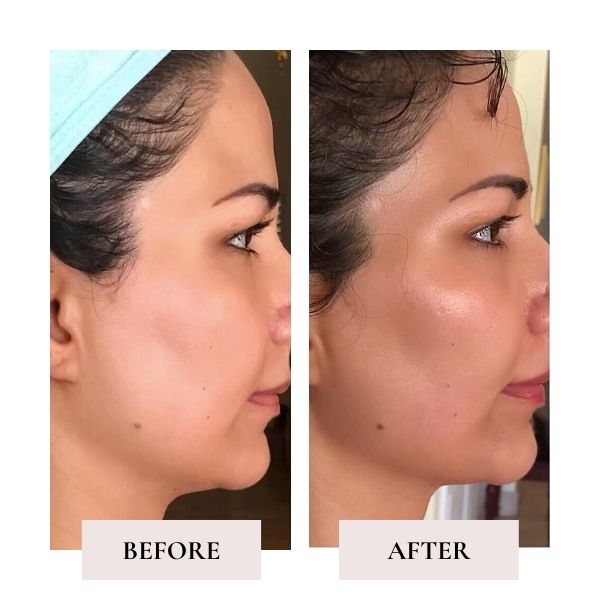
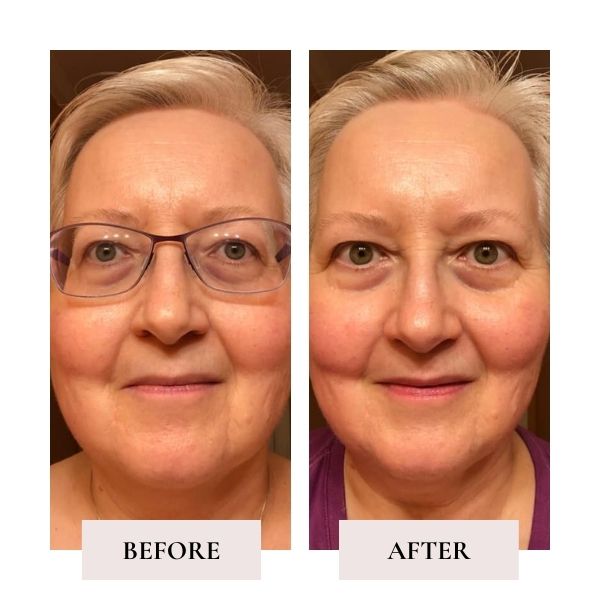
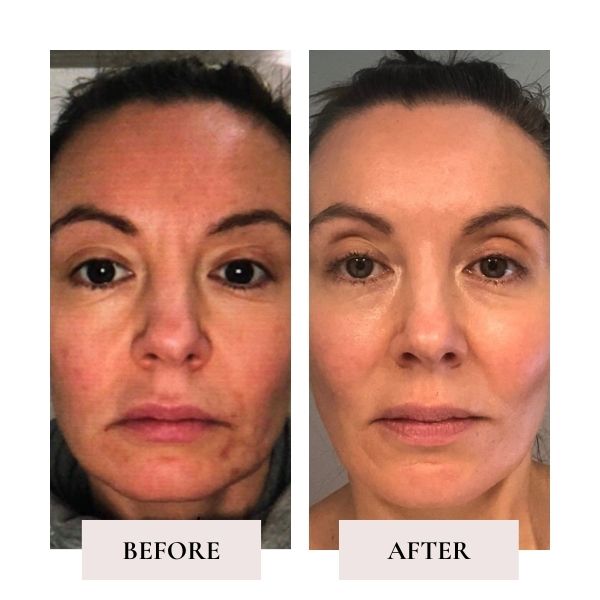
Dominique noticed a fuller, more rounded cheek area alongside broader improvements:
“I see a more rounded and fuller cheek area. This is no miracle treatment but I believe it does work and yields great results provided you stay consistent. You exercise your body and now you exercise your face.” ~ Dominique
FAQ
Do facial exercises actually work for cheekbones?
Yes — with consistent daily practice. Cheekbone definition is largely determined by the muscles sitting on top of the bone structure, particularly the zygomaticus major. When these muscles weaken and descend, the face flattens and loses its mid-face projection. Targeted facial exercises for cheekbones rebuild muscle tone and restore the lift that gives cheekbones their definition.
How long does it take to see results?
Most Face Yogis notice their cheeks feeling more engaged and active within the first one to two weeks. Visible lift — cheeks sitting higher at rest and greater definition along the cheekbone — typically becomes clear between weeks three and six of daily practice. The cheek area rewards consistency over intensity.
Can face yoga restore lost cheek volume?
Face yoga addresses the muscle component of cheek volume — strengthening and lifting the muscles that create fullness in the mid-face. The 2018 Northwestern University JAMA Dermatology study found that targeted facial exercises produced statistically significant increases in cheek fullness through muscle hypertrophy. For volume loss caused by fat pad descent, exercises produce a lifting effect rather than full volumisation — but the improvement in definition and lift is visible and cumulative.
How often should I do facial exercises for my cheekbones?
Daily practice — ten minutes is sufficient. The cheek muscles respond to regular stimulus and lose tone without it. Short daily sessions compound far more effectively than longer sessions done a few times per week.
Will these exercises make my face look wider?
No — the exercises above target the height and projection of the cheek area, not its width. Lifting the zygomaticus major and surrounding muscles creates a more sculpted, defined appearance rather than adding bulk. The 45-degree lifting angle in each exercise is deliberate — it trains the muscles to lift upward rather than outward.
Your Cheeks Aren’t Gone
The fullness that used to be there, the definition along your cheekbone, the way your mid-face sat — that hasn’t disappeared. The muscles just stopped being used the way they’re supposed to.
The Bring Back Your Cheeks Challenge is five days of targeted work built in the right sequence — starting with releasing the tension that holds your cheeks down before a single lifting exercise is done. That’s the step most approaches skip entirely, and it’s what makes the difference between exercises that hold and ones that don’t.
Five daily sessions, 20 minutes each. $10, forever access, 30-day money-back guarantee.