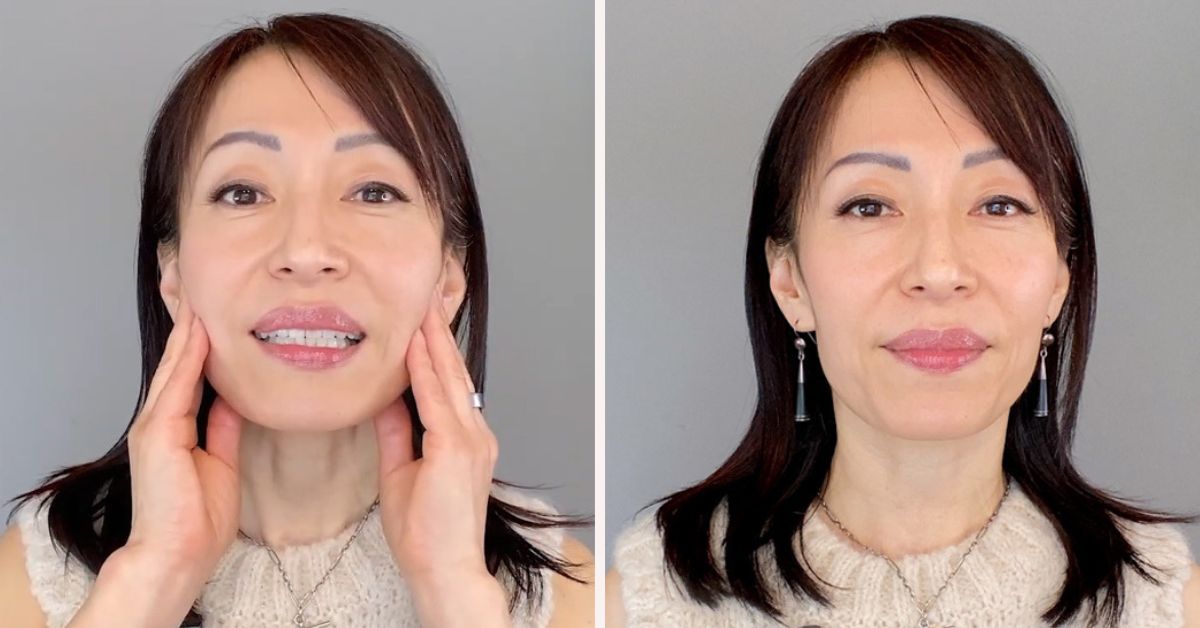
Last week, a client sent me a panicked text with two photos side-by-side.
“Look at these pictures—they’re only 6 months apart! I look like I’ve aged 5 years. What’s happening to my face?”
I studied the images carefully. Same lighting, same angle, similar makeup. But she was right—something had definitely shifted.
Her forehead looked heavier. The area around her eyes seemed more tired. Her jawline appeared less defined, and there were new lines that hadn’t been there before.
But here’s what she didn’t realize: This wasn’t aging.
It was stress—written all over her face.
You see, we’ve been conditioned to blame every new line, every area of puffiness, and every sign of facial change on “getting older.” But the truth is, many of the changes we attribute to aging are actually the result of chronic facial tension.
The good news? Unlike true aging, stress-related facial changes can often be reversed.
The Stress vs. Aging Face: What Most People Get Wrong
Here’s what happens when stress takes up residence in your face:
Stress-related changes appear quickly (weeks to months) and are often uneven or asymmetrical. They’re your nervous system’s response to emotional and physical tension.
Age-related changes develop slowly (years to decades) and tend to be more symmetrical. They’re primarily due to collagen loss, sun damage, and natural tissue changes.
The problem is, they can look nearly identical to the untrained eye.
That’s why so many women panic when they see new lines or facial changes, rushing to book expensive treatments for what might simply be tension that needs to be released.
Let’s break down the most commonly confused signs:
1. Forehead Lines: Worry Wrinkles vs. Expression Lines
Tensed vs Relaxed Forehead
What you see: Horizontal lines across your forehead that seem to have appeared “overnight”
If it’s stress tension:
Lines are more pronounced when you’re tired or stressed
They deepen during busy periods and soften during vacations
You catch yourself unconsciously raising your eyebrows throughout the day
The lines feel “tight” when you touch them
You get tension headaches that start at your forehead
If it’s aging:
Lines are consistently visible, even when your face is completely relaxed
They’ve developed gradually over several years
The skin texture around them has changed (thinner, less elastic)
The stress connection: Your forehead muscles are in constant “worry mode”—lifting, scrunching, and tensing in response to concentration, concern, and cognitive overload. When these muscles stay contracted for extended periods, they create temporary creases that can become more permanent if the tension isn’t released.
The fix: Regular forehead massage and conscious awareness of your brow position throughout the day can dramatically soften these lines.
2. Under-Eye Bags: Fatigue vs. Fluid Retention
Tired vs Puffy Eyes
What you see: Puffiness or bags under your eyes that make you look exhausted
If it’s stress tension:
Puffiness varies throughout the day or week
Bags are more pronounced during high-stress periods
Your sleep quality has been poor, but you’re getting adequate hours
The puffiness reduces with gentle massage or cold compression
Your neck and jaw feel tight
If it’s aging:
Puffiness is consistent regardless of stress levels or sleep quality
The under-eye area has lost firmness and elasticity over time
The bags don’t respond much to topical treatments or massage
The stress connection: Chronic stress affects your lymphatic drainage system, causing fluid retention around the delicate eye area. Additionally, tension in your jaw and neck can restrict circulation, leading to puffiness that mimics age-related under-eye bags.
The fix: Gentle lymphatic drainage techniques and releasing tension in your jaw and neck can restore proper circulation and reduce stress-related puffiness.
3. Deeper Nasolabial Folds: Smile Lines vs. Muscle Imbalance
What you see: Lines from your nose to the corners of your mouth that seem deeper than before
If it’s stress tension:
One side appears deeper than the other
You notice you’ve been unconsciously pursing your lips or pressing them together
Your jaw feels tight or you’ve been clenching it
The lines are more prominent when you’re stressed or tired
You sleep on one side consistently
If it’s aging:
The lines have gradually deepened over years
Both sides are relatively symmetrical
The surrounding cheek area has lost volume and firmness
The stress connection: Chronic jaw tension and unconscious facial expressions (like lip pressing or asymmetrical mouth positions) can pull on the muscles around your mouth, creating or deepening these lines. Poor sleep posture can also contribute to asymmetrical facial changes.
The fix: Releasing jaw tension and becoming aware of unconscious facial habits can help restore balance and soften these lines.
4. Saggy Jawline: Jowls vs. Muscle Tension
Clenched vs Relaxed Jawline
What you see: Your jawline appears less defined, or you notice slight “jowling” (sagging of the skin along the jawline)
If it’s stress tension:
The change appeared relatively quickly (months, not years)
Your jaw feels tight, especially in the morning
You clench or grind your teeth
One side of your face feels different from the other
You have forward head posture from computer work
If it’s aging:
The change has been gradual over several years
The skin quality has changed (less firm, more lax)
The changes are symmetrical on both sides
The stress connection: Chronic jaw clenching and poor posture can actually change how your facial muscles hold your skin. When your masseter muscles (the main chewing muscles) are constantly tight, they can pull your facial structure downward. Additionally, forward head posture creates a chain reaction of tension that affects your entire jawline.
The fix: Targeted jaw release techniques and posture correction can help restore your natural jawline definition.
5. Crow’s Feet: Squinting vs. Sun Damage
What you see: Lines radiating from the outer corners of your eyes
If it’s stress tension:
Lines are more pronounced during stressful periods
You find yourself squinting frequently (at screens, in bright light, when concentrating)
The lines are deeper on one side (often your dominant side)
They’re more visible when you’re tired or dehydrated
Your eyes feel strained or tired frequently
If it’s aging:
Lines are consistently visible even when your face is relaxed
They’ve developed gradually alongside other signs of photoaging
The skin texture around your eyes has noticeably changed
The stress connection: Modern life has us squinting constantly—at screens, in harsh lighting, during intense concentration. This repetitive muscle contraction, combined with eye strain and fatigue, creates lines that can develop much faster than age-related crow’s feet.
The fix: Eye relaxation techniques, screen break habits, and gentle eye area massage can significantly reduce stress-related eye lines.
The Real Test: How to Tell the Difference
Here’s a simple way to determine if your facial changes are stress-related:
The Vacation Test: Think about the last time you took a real break—a vacation where you truly relaxed. Did your face look noticeably different? More rested? Softer? If yes, you’re likely dealing with stress-related changes.
The Mirror Check: Look at yourself in the mirror and consciously relax every muscle in your face. Let your jaw drop slightly, soften your forehead, and release your shoulders. Do the lines and tension areas soften? That’s stress tension, not aging.
The Time Factor: Did these changes appear during or after a particularly stressful period in your life? Major life changes, work stress, relationship issues, and health concerns can all manifest as facial tension within weeks or months.
Your Face Is Keeping Score—But You Can Change the Story
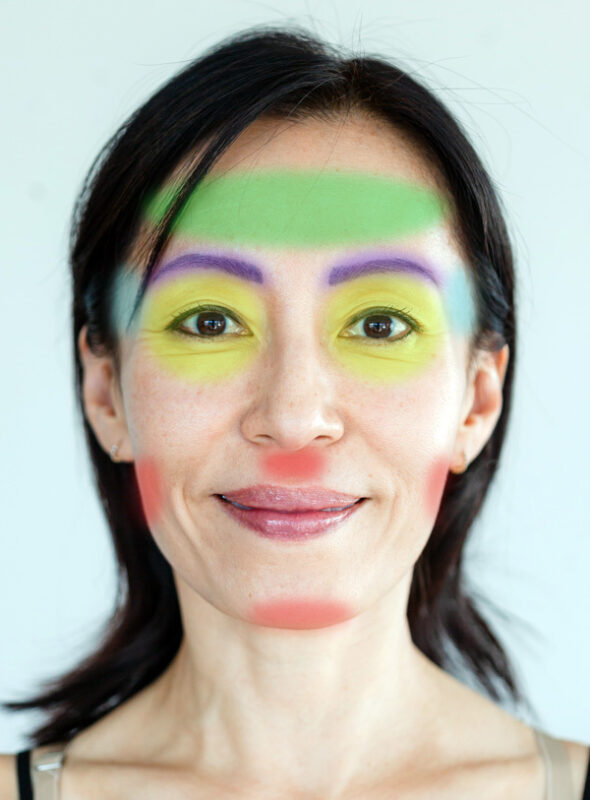
Tension Areas
The most important thing to understand is this: your face is incredibly adaptive.
Just as it learned to hold tension in response to stress, it can also learn to release it. Unlike true aging changes, stress-related facial tension responds beautifully to the right techniques.
The key is consistency and awareness. When you start paying attention to how your face feels and responding with gentle release techniques, you often see improvements within days or weeks—not months or years.
What’s Your Next Step?
If you recognize your face in these descriptions, you’re not alone. Millions of women are carrying stress in their facial muscles without realizing it, attributing changes to aging when they could be addressing the real cause.
The good news? You don’t need expensive treatments or invasive procedures to address stress-related facial changes. You just need the right techniques and a systematic approach to releasing the tension that’s been building up.
That’s exactly what we teach in our 7-Day Facial Release Program—a step-by-step system for identifying and releasing the specific tension patterns that are aging your face prematurely.
You don’t need to spend hundreds on treatments or expensive creams to look naturally refreshed. You just need the right system at the right time.
Because here’s the truth: The most powerful anti-aging tool isn’t in a jar or a syringe. It’s in your own hands.